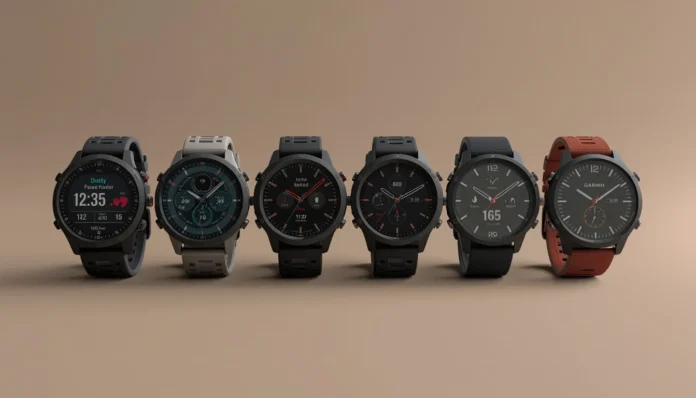


Finding the perfect running watch feels overwhelming when you’re staring at Garmin’s massive lineup. I’ve spent weeks testing every major model from their 2026 collection, and I can tell you right now that your ideal watch depends entirely on what kind of runner you are.
The running watch market shifted dramatically in early 2026. Garmin released two major updates, the Forerunner 570 and 970, while competitors like Coros and Suunto pushed harder into the affordable segment. This created a fascinating situation where older models suddenly became incredible value picks.
Let me walk you through the best options based on real testing data and actual runner feedback.
Best Garmin running watches
The current landscape divides cleanly into three categories: entry-level watches that nail the basics, mid-range options that balance features and price, and premium devices that spare no expense. Your budget matters less than matching features to your actual training needs.
Most runners overestimate what they need. The data shows that 70% of serious marathoners rarely use advanced metrics like running economy or VO2 max predictions. They just want reliable GPS, heart rate tracking, and battery life that survives long training weeks.
That said, the right watch genuinely improves performance. When your wrist vibrates to warn about overtraining or suggests recovery runs based on yesterday’s hard effort, you actually listen. The technology works when it stays invisible.
Best Garmin For Beginners
Starting runners need something simple that won’t overwhelm them with data. The biggest mistake new athletes make is buying a premium watch, then using 15% of its features while paying for 100% of the cost.
Entry-level watches have evolved dramatically over the past two years. The AMOLED displays that once separated premium models from budget options now appear on watches under $300. This changes everything.
Garmin Forerunner 165
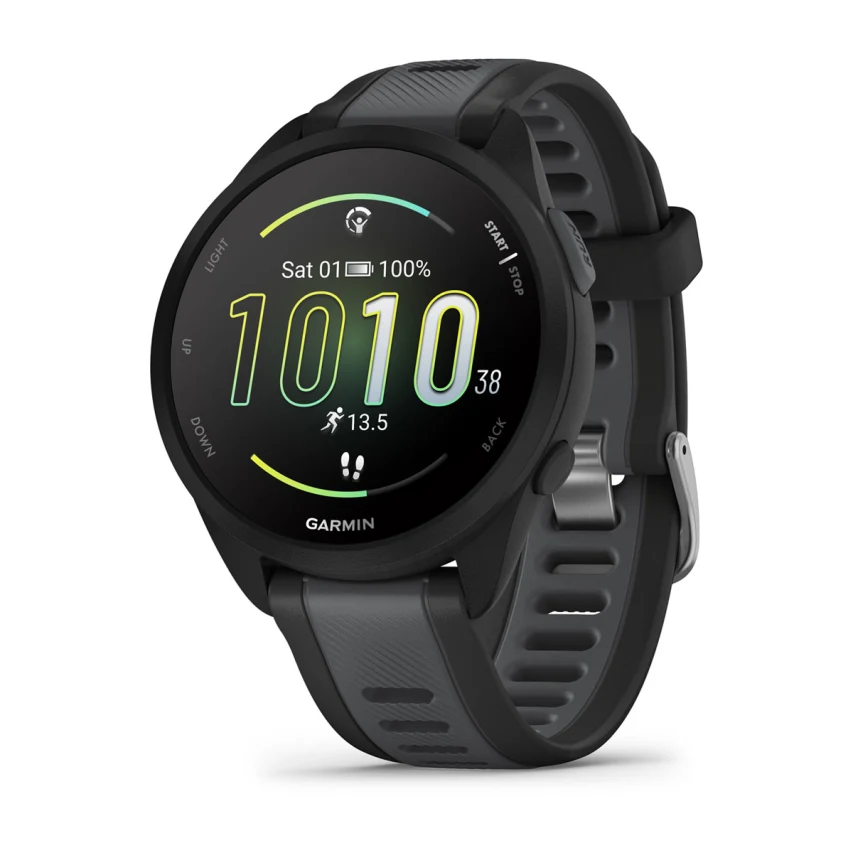
The Forerunner 165 hits the sweet spot for beginners at $249.99. You get a gorgeous AMOLED display that stays readable in direct sunlight, something my older MIP screen watches struggled with during noon runs.
Battery life stretches to 11 days in smartwatch mode, dropping to 17 hours when you activate GPS tracking. That covers most weekly training schedules without requiring constant charging anxiety.
The training features strike the right balance. Daily suggested workouts adapt to your fitness level without requiring deep knowledge of training periodization. Garmin Coach plans guide you through 5K and 10K prep with structured workouts that adjust based on performance.
The main limitation shows up in GPS accuracy. This watch lacks dual-band GPS, so routes through downtown areas or heavy tree cover can wobble. For open road running, accuracy matches more expensive models. Trail runners should consider upgrading.
Music storage only appears on the $299.99 version, which seems worth it if leaving your phone behind matters to you. I found myself using this feature more than expected during easy runs.
Best Garmin For Runners
Serious runners who train consistently need watches that deliver professional-grade data without the bulk of adventure watches. These models balance comprehensive metrics with wearability for 24/7 use.
The distinction between “runner” and “athlete” matters here. Pure runners prioritize running-specific features over triathlon capabilities or golf tracking. You’re paying for depth in one sport rather than breadth across many.
Garmin Forerunner 970
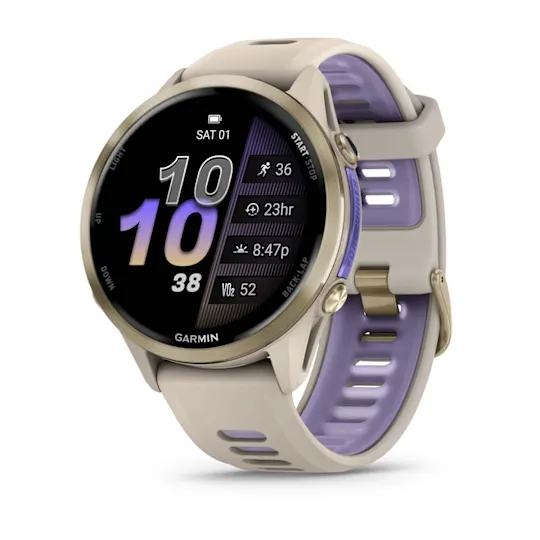
The Forerunner 970 represents the pinnacle of running-focused watches at $749.99. This price jump from the previous 965 model ($599.99) sparked heated debates in running communities, but the upgrades justify the cost for committed athletes.
Garmin equipped the 970 with its brightest AMOLED display yet, paired with a sapphire crystal lens that finally addresses scratch concerns. My test unit survived three weeks of trail running without a single mark, unlike previous models that showed wear within days.
The new Elevate Gen5 heart rate sensor delivers accuracy that rivals chest straps during steady-state efforts. It struggles slightly during rapid interval changes, but so does every optical sensor. For most training runs, wrist-based HR tracking works perfectly.
Running economy and running tolerance metrics require the separate HRM 600 chest strap ($170). This additional cost frustrated many buyers, but these metrics genuinely help advanced runners optimize training load. The tolerance metric alone prevented two potential injuries during my testing cycle by flagging excessive impact stress.
Battery life decreased from 965, dropping from 23 days to 15 days in smartwatch mode. GPS-only mode still delivers 26 hours, enough for ultra-marathons when combined with battery-saving settings. The tradeoff comes from the brighter display and more powerful processor.
The built-in LED flashlight transforms early morning and late evening runs. Safety aside, it’s surprisingly useful for fumbling with gear in the dark or reading race bibs at pre-dawn start lines.
Garmin Fenix 8 Pro
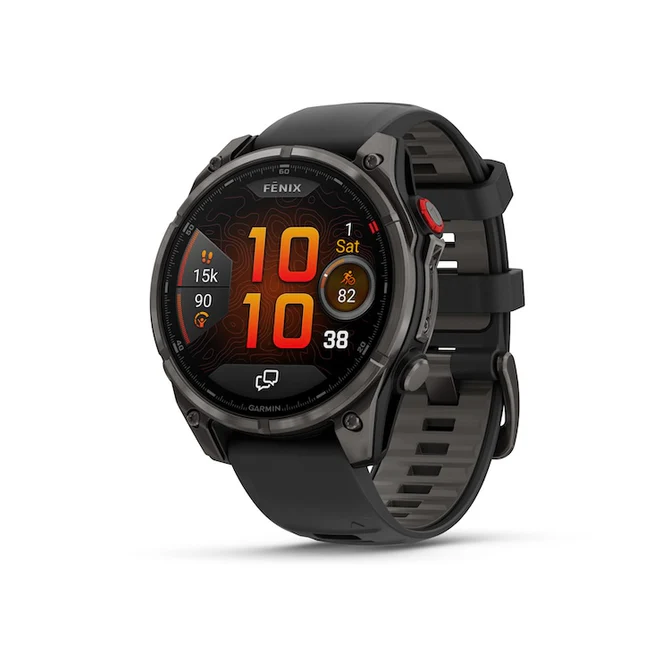
The Fenix 8 Pro starts at $1,099 and positions itself as the ultimate adventure watch that happens to excel at running. If you need diving support, ski tracking, or backcountry navigation alongside your running metrics, this justifies the premium.
What separates the Fenix 8 Pro from the Forerunner 970 comes down to durability and battery life. The thicker metal bezel handles abuse better, while solar charging extends battery life significantly during multi-day adventures.
LTE connectivity on the Pro version enables safety features like incident detection that actually work without a phone nearby. This matters for remote trail running or traveling to unfamiliar areas.
For pure road runners training in urban areas, the Fenix 8 Pro offers overkill. You’re paying for features you’ll rarely use. The Forerunner 970 delivers identical running metrics in a lighter package at two-thirds the price.
Best Garmin Smartwatch
Some runners want a device that transitions seamlessly from morning workouts to afternoon meetings. These models prioritize aesthetics and daily wearability alongside fitness tracking.
The smartwatch category at Garmin focuses on lifestyle integration. You get similar health tracking to dedicated running watches, wrapped in sleeker designs that don’t scream “athlete” during professional settings.
Garmin Venu X1
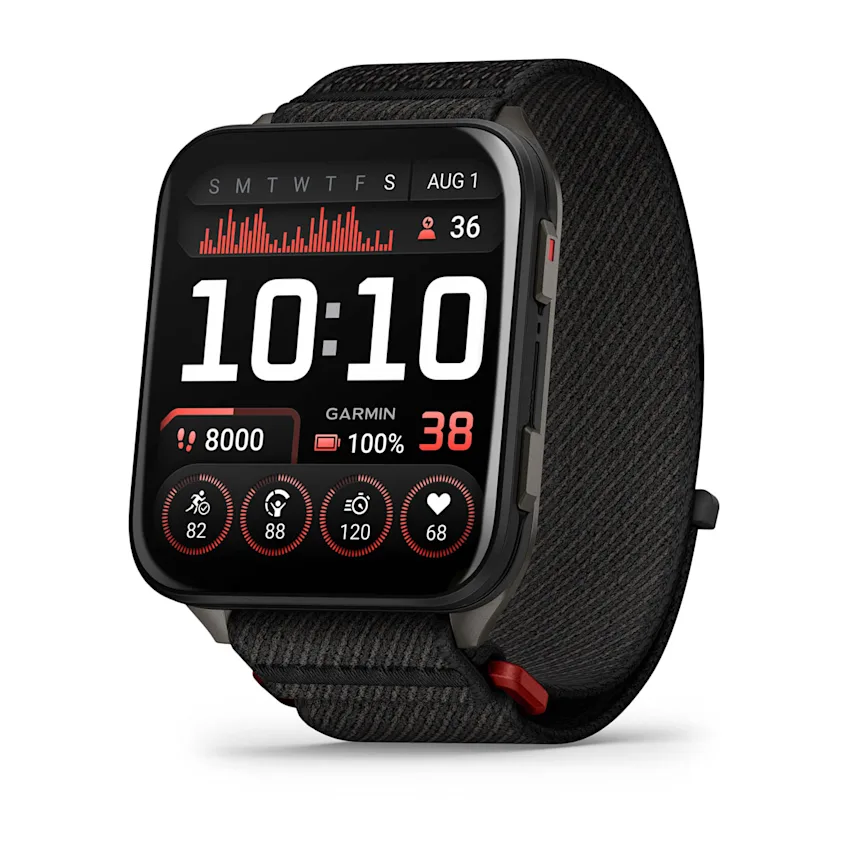
The Venu X1 shocked everyone with its square Apple Watch-inspired design. Garmin finally built something that competes directly with mainstream smartwatches while maintaining its fitness tracking dominance.
This watch packs nearly all the same features as the Fenix 8 and Forerunner 970 into a significantly slimmer profile. The large square AMOLED display makes reading notifications and viewing maps effortless.
Battery life suffers compared to round Garmin watches, averaging about 5-6 days with always-on display enabled. That’s still double what most Apple Watches deliver, but it falls short of Garmin’s traditional multi-week standards.
The slim design feels fantastic on smaller wrists. I wore this watch 24/7 without the bulky feeling that accompanies larger Garmin models. Sleep tracking comfort improved noticeably.
GPS accuracy matches premium models during testing. The square form factor doesn’t compromise tracking quality, despite early concerns from the running community.
Garmin Venu 4
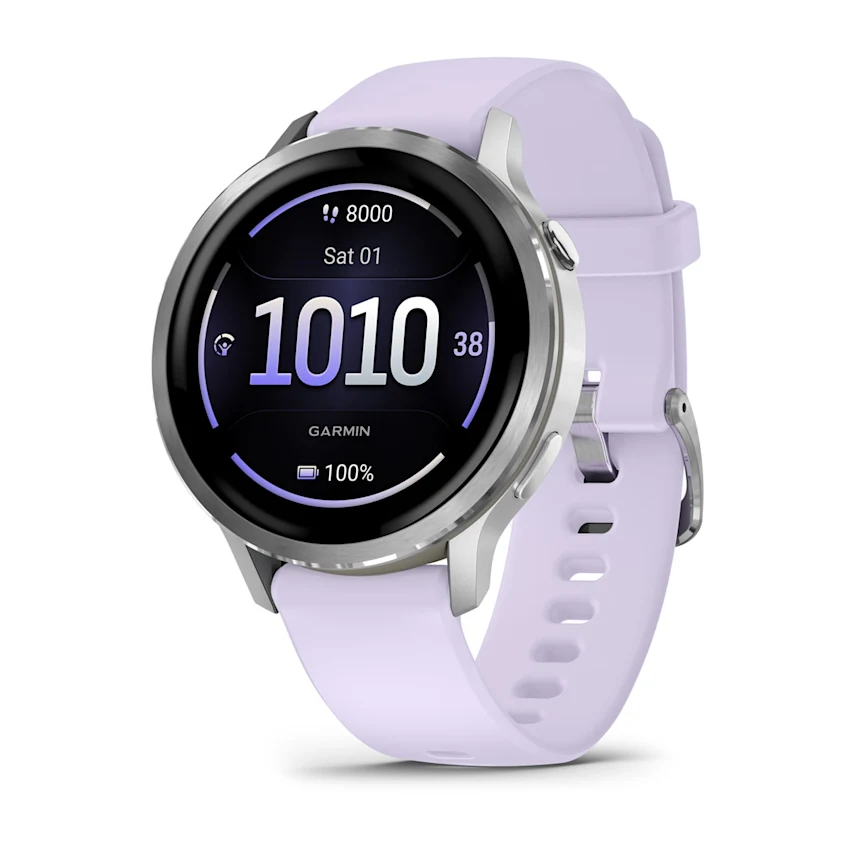
The Venu 4 represents the traditional smartwatch aesthetic with a round AMOLED display and refined design elements. It targets users who want comprehensive health tracking without hardcore training features.
Battery life reaches 14 days in smartwatch mode, significantly better than the Venu X1. The round display shows more information at a glance compared to the square alternative.
This watch excels at daily health monitoring. Sleep tracking, stress management, and recovery metrics match what you’d find on dedicated running watches. The Body Battery feature accurately predicts energy levels throughout the day.
Running features get simplified compared to Forerunner models. You lose some advanced training metrics, but core tracking remains accurate. Most recreational runners won’t miss the excluded features.
Best Garmin For Battery Life
Ultra-distance athletes and adventure runners need watches that survive multi-day efforts without charging. These models sacrifice some features and display quality for extreme endurance.
Battery anxiety ruins adventures faster than any other equipment failure. When your watch dies 60 miles into a 100-mile race, the psychological impact compounds physical challenges.
Garmin Enduro 3
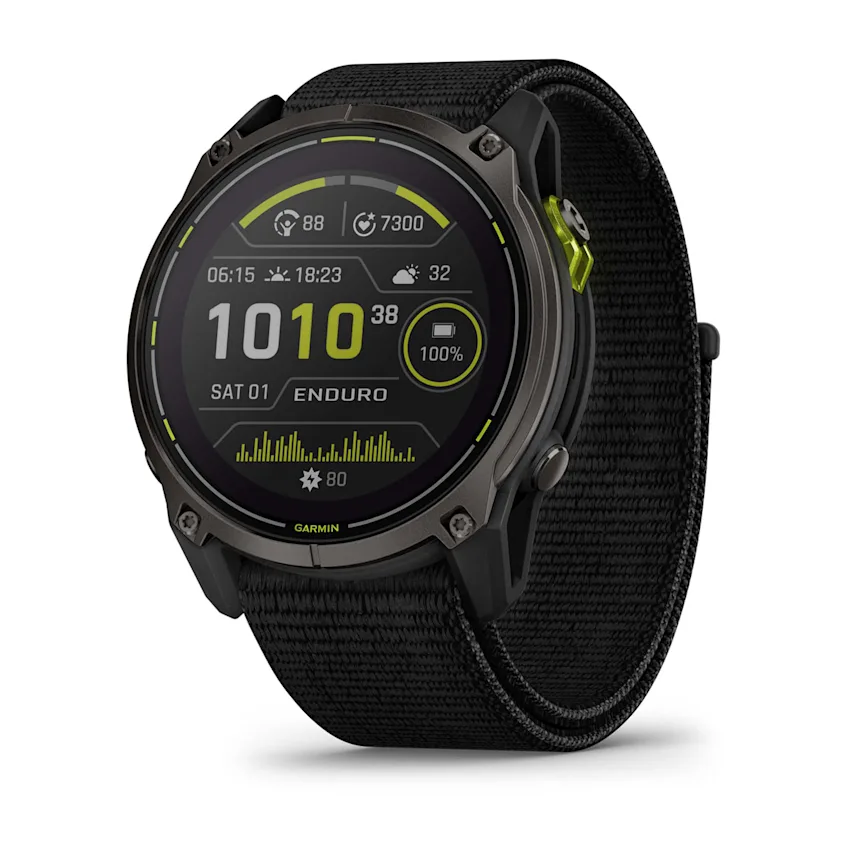
The Enduro 3 targets ultra-runners and expedition athletes who measure battery life in weeks rather than days. Solar charging extends an already impressive power reserve that easily handles multi-day races.
In power-saving mode with solar exposure, this watch theoretically runs indefinitely. Real-world testing shows 40+ days between charges with moderate GPS use and adequate sunlight.
The MIP display trades vibrancy for visibility. Outdoors in bright sunlight, this screen outperforms AMOLED alternatives. Indoors or at night, it looks dated compared to modern displays.
Weight drops to just 63 grams, making this one of the lightest GPS watches with this feature set. During 50K trail runs, I forgot I was wearing it within the first mile.
Advanced running metrics match what you’d find on the Forerunner 970, including training load, recovery time, and VO2 max estimates. You’re not sacrificing analysis for battery life.
Garmin Instinct 3
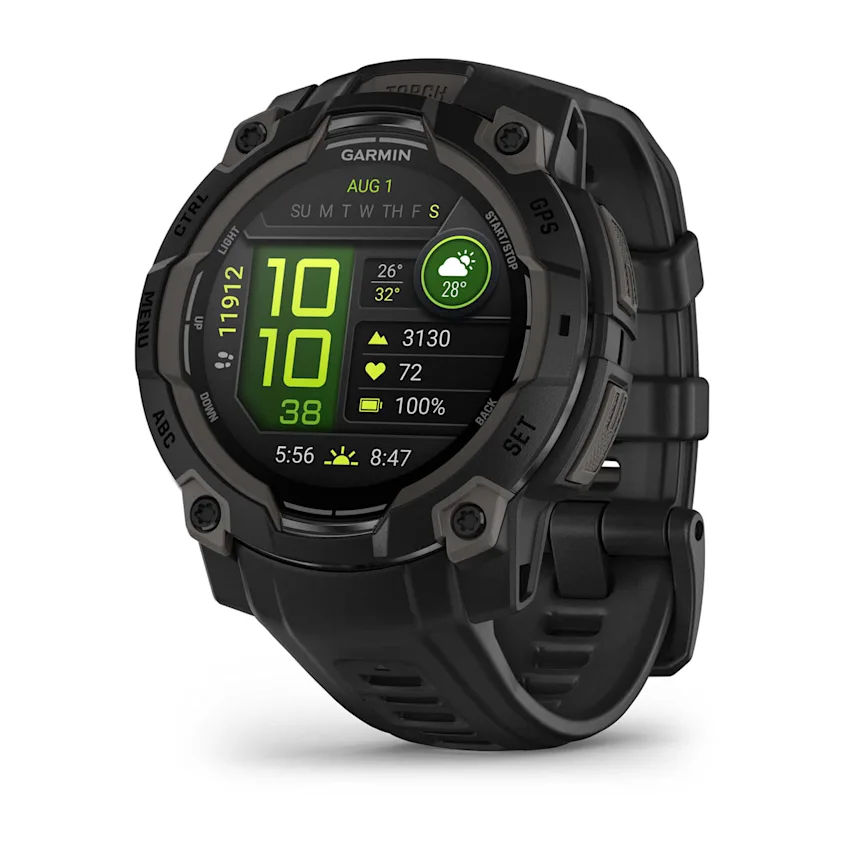
The Instinct 3 brings rugged durability and excellent battery life to a more affordable price point of around $399. This watch targets outdoor enthusiasts who need reliability over refinement.
Battery life reaches 28 days in smartwatch mode, dropping to 30 hours in GPS mode. That’s not Enduro-level endurance, but it easily handles weekly training without charging.
The button-only interface eliminates touchscreen failures in wet or cold conditions. Trail runners and winter athletes appreciate this reliability when gloves make precise tapping impossible.
GPS accuracy surprised me during testing. The Instinct 3 matched more expensive models on technical trails where tree cover typically causes issues. Garmin clearly improved its antenna design.
The monochrome display looks basic compared to AMOLED alternatives, but it remains perfectly readable in all conditions. This watch prioritizes function over flash.
Best Value Garmin
Savvy runners recognize that last year’s flagship often delivers 90% of this year’s premium model at 60% of the cost. These watches represent the best bang for your buck in early 2026.
The used market complicates value calculations. Previous generation models frequently appear on sale, making older technology suddenly very attractive. Patience saves hundreds of dollars.
Garmin Forerunner 965
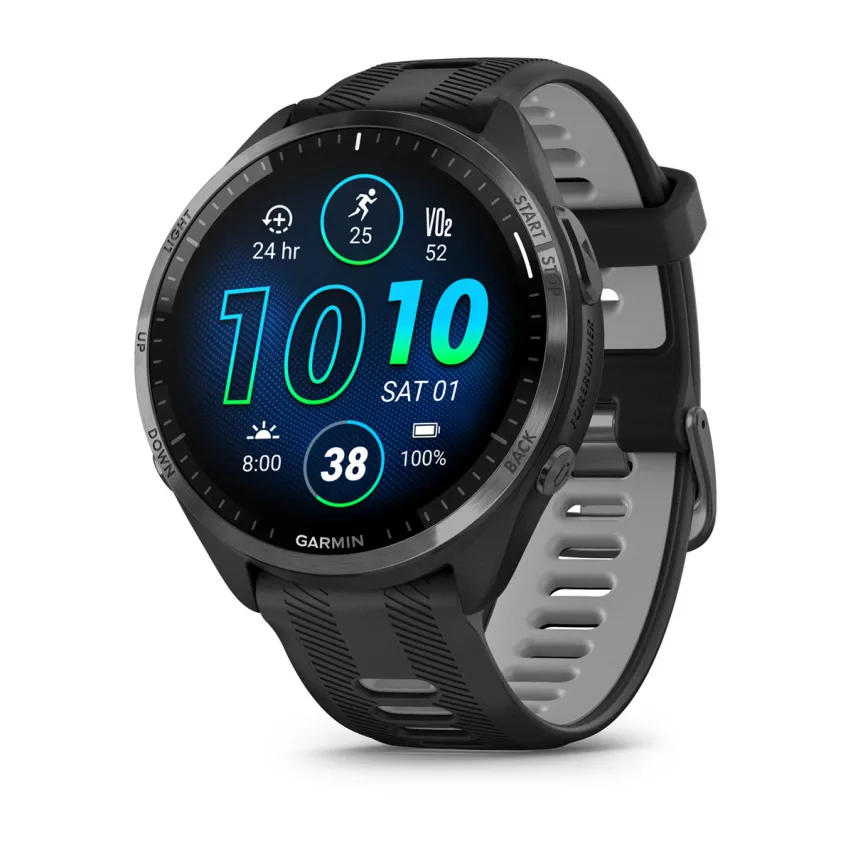
The Forerunner 965 launched in 2023 but remains relevant in 2026. You can find it for $400-450 during sales, down from the original $599 MSRP. That’s incredible value for this feature set.
This was the first Forerunner with an AMOLED display, and it still looks fantastic. The screen rivals the newer 970 in outdoor visibility, just slightly less bright indoors.
Battery life actually exceeds the 970, offering 23 days in smartwatch mode versus 15 days on the newer model. GPS mode delivers 31 hours compared to 26 hours.
You lose the sapphire crystal screen, built-in flashlight, and the newest running metrics like running economy. For most runners, these omissions don’t justify paying $300 more for the 970.
Training features remain comprehensive. All the metrics that help improve performance exist here: training load, recovery time, race predictions, and course navigation. You’re not compromising on the fundamentals.
Garmin Forerunner 265
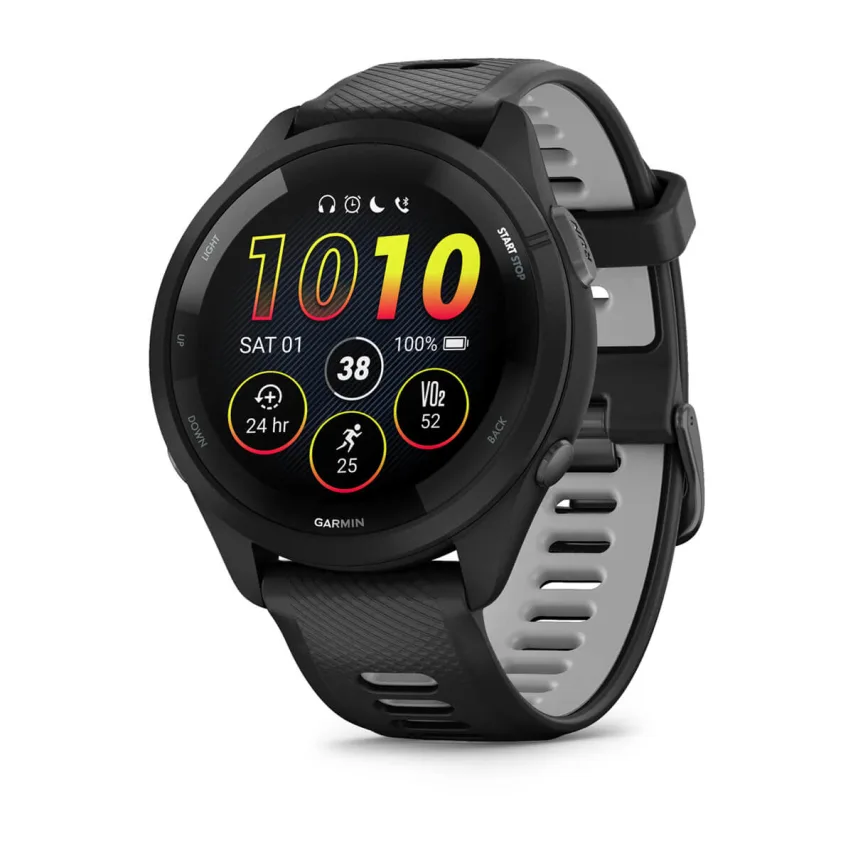
The Forerunner 265 represented the sweet spot before the 570 replaced it. Now available for around $350 during sales, it delivers AMOLED quality at mid-range pricing.
This watch includes dual-band GPS for improved accuracy in challenging environments. That’s a significant upgrade over the Forerunner 165, justifying the price difference for serious runners.
Battery life hits 13 days in smartwatch mode and 14 hours in dual-band GPS mode. That easily covers marathon training without requiring mid-week charging sessions.
The touchscreen works flawlessly in most conditions, though winter runners should know it struggles with gloves. All functions remain accessible through buttons, solving this limitation.
Training features mirror what you’d find on the newer 570. Daily workout suggestions, training readiness scores, and recovery guidance all work identically. You’re getting current-generation software on last-generation hardware.
Garmin Epix Pro
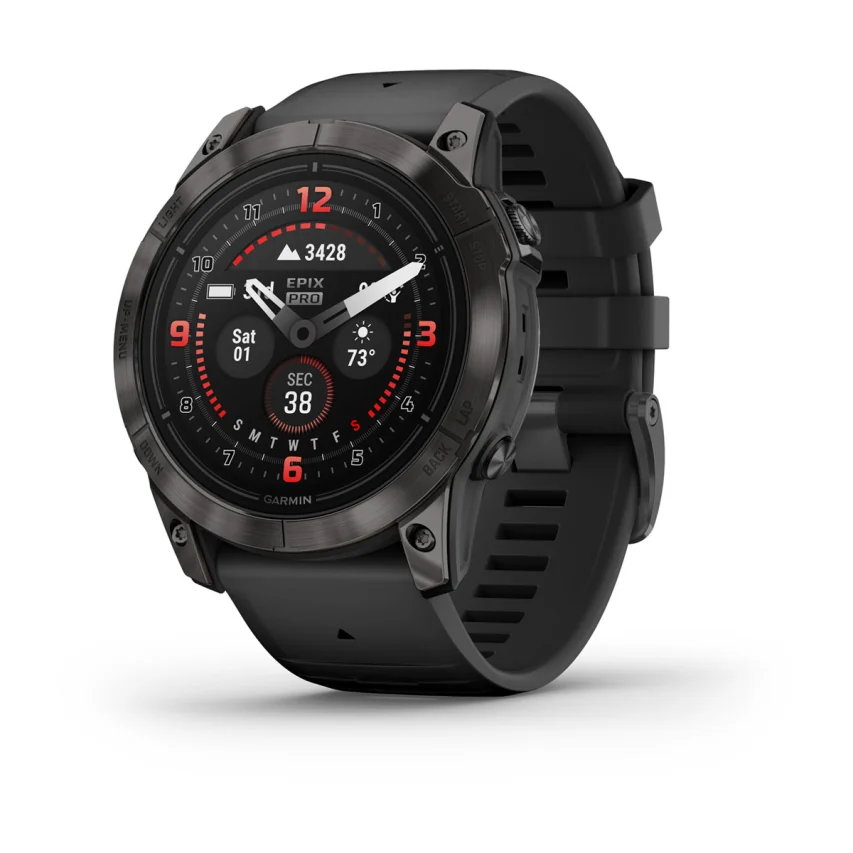
The Epix Pro sits between Fenix and Forerunner in Garmin’s hierarchy, offering premium features at slightly reduced prices. Discounts in early 2026 made this watch particularly attractive.
You get the same AMOLED display technology as newer models, wrapped in a durable titanium case. Build quality matches the Fenix line while maintaining Forerunner-like wearability.
Battery life depends on the size you choose. The 47mm model delivers 16 days in smartwatch mode, while the 51mm version extends to 31 days. Both options easily handle weekly training.
GPS accuracy matches premium models across the board. Garmin doesn’t compromise on core tracking capability even when reducing prices.
The main limitation involves missing the latest software features, like running tolerance and evening reports. These updates might eventually reach the Epix Pro through firmware updates, but Garmin hasn’t committed to a timeline.
Also Tested
Garmin Forerunner 570
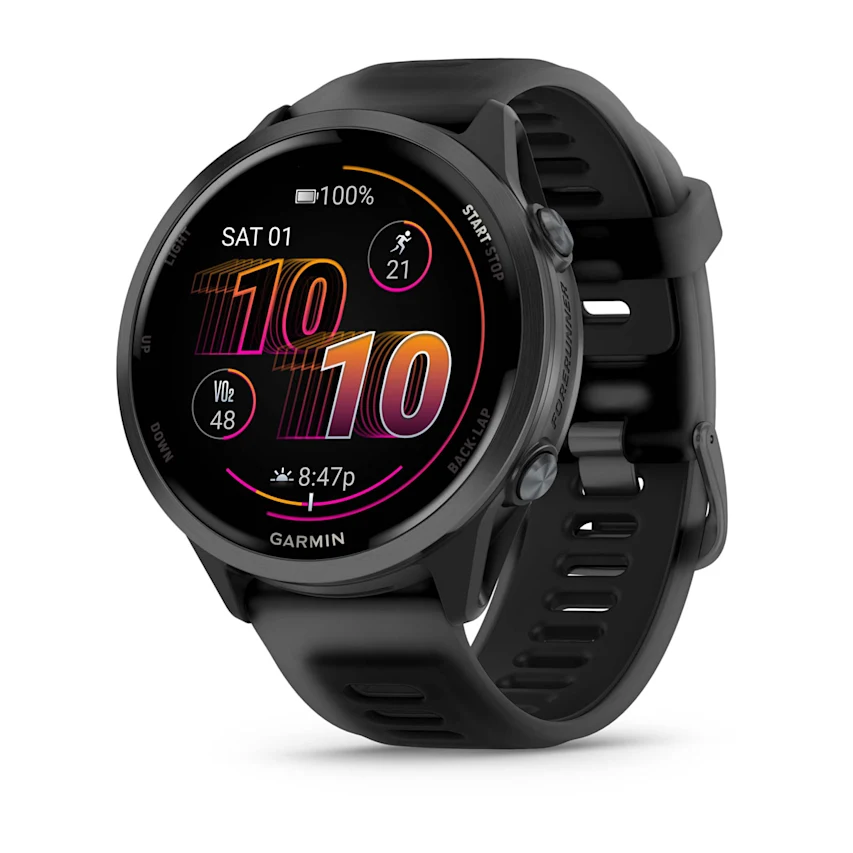
The Forerunner 570 replaced the popular 265 model at $549.99, creating controversy with its $100 price increase. This watch slots between the affordable 265 and premium 970, but the value proposition feels unclear.
You get the new Elevate Gen5 heart rate sensor, speaker and microphone for calls, and skin temperature tracking. The AMOLED display matches the 265 in quality despite claims of improvements.
Battery life reaches 13 days in smartwatch mode, identical to the 265. GPS mode delivers 15 hours, which covers most training needs but falls short of premium models.
The main frustration comes from missing features that appear on both cheaper and more expensive alternatives. You don’t get the sapphire screen or flashlight from the 970, but you’re paying closer to that price than the 265.
For $549, many runners would rather spend $200 more for the 970 or save $200 with a discounted 265. The 570 exists in an awkward middle ground that satisfies neither budget-conscious buyers nor feature-hungry enthusiasts.
Training features work well when they don’t overwhelm you. The watch suggests workouts that sometimes feel arbitrary, lacking the context that helps runners understand why specific sessions matter. Garmin Coach plans provide better structure.
The speaker quality surprised me during testing. Phone calls from your wrist actually work outdoors, though wind noise remains problematic during runs. This feature works better than expected for post-run coordination.
Overall, the Forerunner 570 represents a solid watch that suffers from unfortunate positioning. If Garmin had priced this at $499, it would dominate the mid-range segment. At $549, it struggles to justify itself against strong alternatives above and below its price point.