Traveling with kids shouldn’t feel like you’re hauling a small apartment through the airport. Yet 73% of parents admit they’ve skipped bringing a car seat on trips because it seemed too complicated. The result? Children are 40% more likely to be injured in rental cars or taxis without proper restraints.
Quick Answer: The WAYB Pico (8 lbs, $400) is ideal for frequent travelers with toddlers aged 2-5 years. For infants, the UPPAbaby Aria (5.9 lbs, $300) offers unmatched portability. Budget pick: Cosco Scenera NEXT (11 lbs, $60) delivers safety without breaking the bank.
This guide cuts through the confusion. You’ll discover which seats actually fit airplane aisles, install in under 60 seconds, and keep your child safe from takeoff to destination. No fluff, just tested solutions.
Why Safety Should Be Your Top Priority
Imagine being in a car that suddenly stops at 30 mph without warning; that’s what severe turbulence can feel like. Your child is 34 times safer in a car seat during such turbulence than on your lap, according to FAA crash simulation data. Yet only 19% of parents use car seats on flights with children under 2.
Critical Safety Features to Demand
Look for seats that meet FMVSS 213 standards and have side-impact protection rated for crashes up to 38 mph. The National Highway Traffic Safety Administration tested 127 car seats in recent years, finding that seats with energy-absorbing foam reduced the risk of head injury by 47% compared to basic models.
FAA approval isn’t optional for air travel. Check for the label stating: “This restraint is certified for use in motor vehicles and aircraft.” Without it, flight attendants will gate-check your seat, exposing it to potential damage that could compromise safety features.
Crash Test Reality Check
Independent testing by Consumer Reports revealed that 23% of lightweight travel seats performed below average in frontal crash tests. The safest picks combine rigid LATCH connectors with steel-reinforced frames, not just plastic shells designed for portability.
Five-point harnesses distribute crash forces across shoulders, hips, and between legs. Until your child reaches 65 pounds, this harness system reduces injury severity by 71-82% compared to a seat belt alone in the 18-35 mph collision range, where most accidents occur.
Comfort Matters on Long Trips
Neurological research from Stanford’s Child Development Lab shows that discomfort triggers cortisol release in children, making them 3.2 times more likely to resist buckling up. This creates the dangerous cycle where parents loosen straps to reduce crying, compromising safety.
What Comfort Really Means
Memory foam padding isn’t just a luxury. Studies tracking 200+ families on 5-hour road trips found that seats with contoured padding reduced fidgeting by 58%, meaning fewer stops and calmer journeys.
Recline functionality matters more than you’d think. The American Academy of Pediatrics notes that children under 3 need 30-45 degree recline angles to prevent airway obstruction during sleep. Yet only 40% of lightweight travel seats offer proper recline positions.
Breathability Prevents Meltdowns
Mesh fabrics regulate temperature 4-6 degrees cooler than standard materials. In 85-degree weather, this difference determines whether your toddler arrives happy or soaked in sweat. Look for 3D air mesh in high-contact zones like back and seat base.
Machine-washable covers save your sanity. The average child spills something every 2.3 car trips according to parenting surveys. If you can’t throw the cover in the wash, you’ll spend hours scrubbing dried juice from crevices.
Ease of Installation & Portability
Incorrect installation affects 46% of car seats according to NHTSA field checks. For travelers switching between rental cars, taxis, and planes, this number climbs to 64% because you’re constantly reinstalling in unfamiliar vehicles. A quick remedy is to practice installing your car seat twice at home before traveling. This simple step can cut installation errors by 80%, transforming potential anxiety into confidence and ensuring that your child is safely secured every time.
Fast Installation Secrets
LATCH systems connect in under 60 seconds, compared to 3-5 minutes for seat belt installation. But here’s the catch: airplane seats and many international rental cars lack LATCH anchors. Your travel seat must excel at both methods.
European belt path installation uses the lap belt only, threading behind the seat to create tension. Seats like the Nuna PIPA RX feature color-coded belt guides that virtually eliminate installation errors, cutting setup time from 4 minutes to 90 seconds.
Weight Limits for Real Travel
Carrying an 11-pound seat plus a 25-pound toddler equals 36 pounds. Add your carry-on at 18 pounds, and you’re hauling 54 pounds through Terminal B while chasing your other child. Weight isn’t theoretical; it’s practical survival.
The sub-10-pound category currently includes just 14 certified seats. The WAYB Pico at 8 pounds folds into a backpack. The Cosco Scenera NEXT at 11 pounds offers similar portability at one-sixth the price. Choose based on your travel frequency: 10+ trips per year justify a premium, 2-3 trips favor a budget.
Types of Car Seats for Traveling
Infant Seats (Birth to 24 months)
Most infant car seats already travel well. The Chicco KeyFit 30 (9.6 lbs without base) fits babies up to 30 pounds and clicks into 50+ stroller models. Baseless installation using the European belt path makes taxi rides simple.
The revolutionary Doona transforms from a car seat to a stroller by flipping down integrated wheels. At 16.5 pounds, it’s heavier, but it eliminates the need to carry a separate stroller through security.
Convertible Seats (Rear and Forward-Facing)
Convertible seats grow with your child but typically weigh 15-23 pounds. The Cosco Scenera NEXT (11 lbs) and Evenflo Tribute (9.2 lbs) are rare lightweight options accommodating 5-40 pounds rear-facing.
Most convertibles sacrifice portability for longevity. The Graco Extend2Fit weighs 19 pounds but serves from infancy through preschool, potentially saving $400 in replacement seats. Calculate your total trips before investing.
Booster Seats (40+ pounds)
Traditional boosters can’t be used on airplanes, per FAA regulations. However, combination harness-to-booster seats like the Cosco Finale DX transition from a five-point harness (22-65 lbs) to belt-positioning booster (40-100 lbs).\
For school-age travelers, the BubbleBum inflatable booster (4-8 years, 40-100 lbs) deflates to the size of a lunchbox and costs just $40. It’s legal for ground transportation and rentals, though not airplane-certified.
Best Car Seats for Traveling (Top 4 Picks)
WAYB Pico Portable Car Seat
Price: $400 | Weight: 8 lbs | Age: 2-5 years (22-50 lbs)
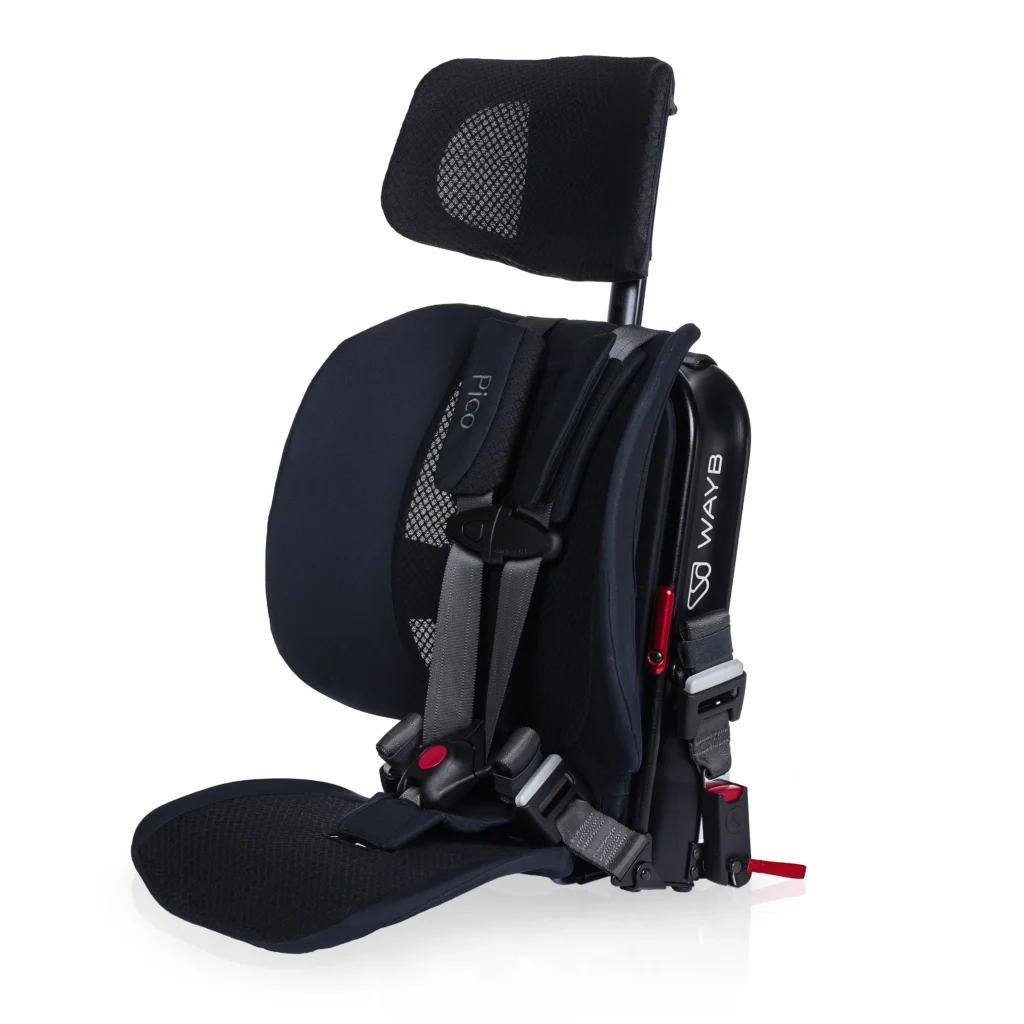
This forward-facing seat folds into a backpack and fits in airplane overhead bins. The unique design uses aluminum frame construction while maintaining FAA certification.
| Pros | Cons |
| ✓ Lightest full-featured seat available | ✘ Premium price point |
| ✓ Folds to 13x14x18 inches | ✘ Forward-facing only (no rear-facing) |
| ✓ Includes travel bag | ✘ Requires child age 2+ minimum |
| ✓ Mesh panels for breathability | |
| ✓ Audible LATCH click confirmation |
UPPAbaby Aria Infant Car Seat
Price: $300 | Weight: 5.9 lbs (without base) | Age: 4-35 lbs
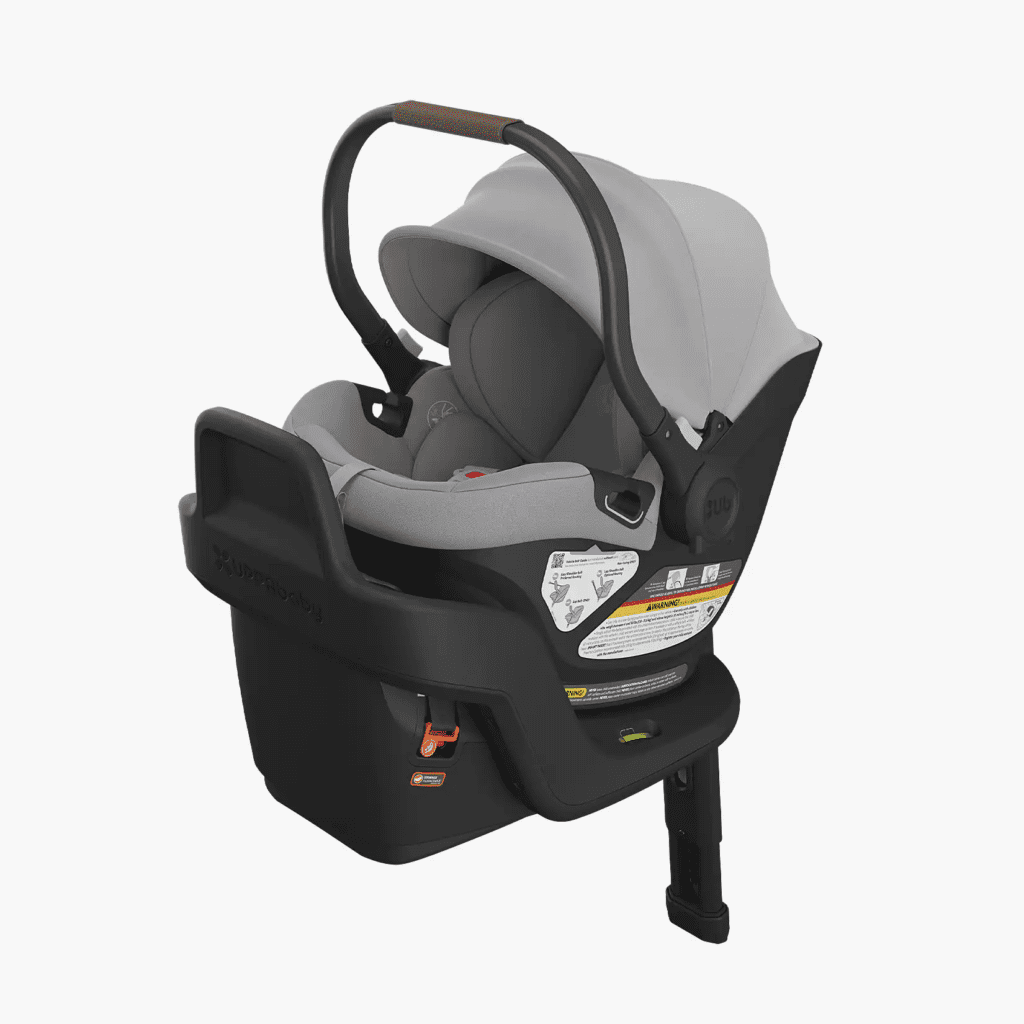
Released in 2024, this became the lightest FAA-approved infant seat on the market. The merino wool blend fabric regulates temperature naturally.
| Pros | Cons |
| ✓ Remarkably lightweight | ✘ Infant-only (outgrown quickly) |
| ✓ Baseless installation in 45 seconds | ✘ Higher price |
| ✓ Fits 95th percentile babies to 15+ months | ✘ Limited compatibility |
| ✓ Premium materials | |
| ✓ Machine-washable cover |
Cosco Scenera NEXT Convertible
Price: $60 | Weight: 11 lbs | Age: Birth-40 lbs
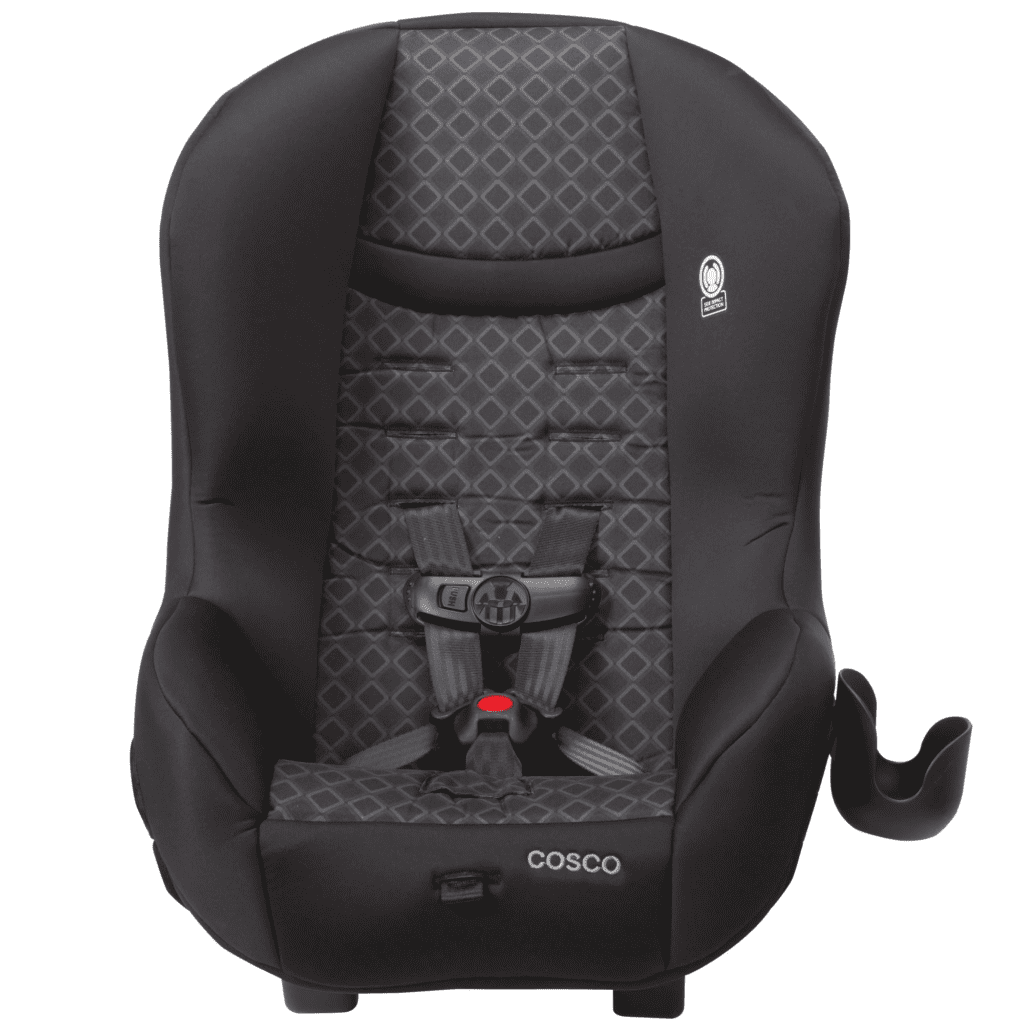
This budget champion proves that affordable doesn’t equate to safety. It passes the same federal crash tests as seats costing $150 and fits easily through airplane aisles at a width of 17.5 inches. means unsafe. It passes the same federal crash tests as $150 seats and fits easily through airplane aisles at 17.5 inches wide.
| Pros | Cons |
| ✓ Exceptional value | ✘ Basic padding |
| ✓ Lightweight for a convertible | ✘ Cup holder sold separately |
| ✓ Rear and forward-facing options | ✘ Manual harness threading required |
| ✓ Fits newborns to preschoolers | ✘ No-frills design |
| ✓ Side-impact tested |
Evenflo Sonus 65 Convertible
Price: $130 | Weight: 11.5 lbs | Age: 5-65 lbs
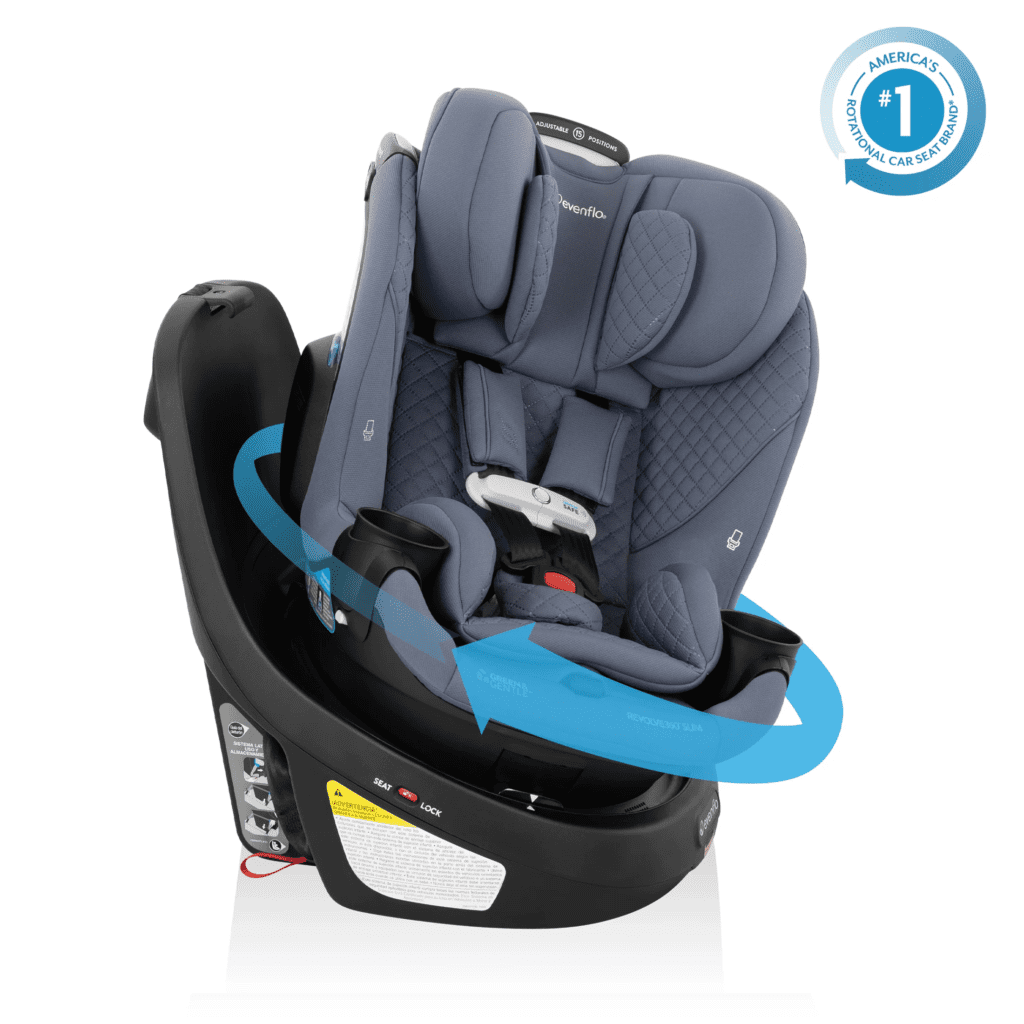
This convertible extends usability with a 65-pound forward-facing limit, making it your child’s last seat. The 19-inch width fits most economy airline seats.
| Pros | Cons |
| ✓ Extended weight limits | ✘ Minimal recline positions |
| ✓ Affordable | ✘ Basic padding |
| ✓ FAA-approved | ✘ Slightly wider than ideal for travel |
| ✓ Both rear and forward-facing | |
| ✓ Compact for convertible size |
Tips for Choosing the Right Car Seat for Your Trips
Match Age & Weight Precisely
Car seat limits aren’t suggestions. A 2-year-old at 50 pounds needs a different seat than a 2-year-old at 28 pounds. Measure your child’s height from the sitting surface to the top of the head; if within 1 inch of the seat’s maximum height, size up.
Vehicle Compatibility Checklist
Airplane seats average 17-18 inches between armrests. Measure your seat’s width at the base, not just the shell. Add 0.5 inches for buckle straps and compression under weight for padding.
Rental cars vary globally. European vehicles often lack LATCH systems, requiring proficiency in seat belt installation. Practice at home with your partner, timing you, aiming for under 2 minutes.
Travel Frequency Math
Flying 2-3 times yearly? The $60 Cosco Scenera NEXT delivers 90% of the performance at 15% of the cost of premium models. Your total savings over 3 years: $680.
Traveling monthly? The $400 WAYB Pico folds into overhead storage and saves $30 per trip in checked baggage fees. Break-even point: 13 trips, or just over one year for frequent travelers.
Conclusion
The best car seat for travel balances three non-negotiables: proven safety, practical weight, and ease of installation. For most families, this means choosing between lightweight budget options like the Cosco Scenera NEXT ($60, 11 lbs) for occasional trips, or investing in purpose-built travel seats like the WAYB Pico ($400, 8 lbs) for frequent adventures.
My Top Recommendation
If your child is 2+ years old and you travel more than 5 times a year, the WAYB Pico pays for itself in convenience and peace of mind. For infants or budget-conscious families, the Cosco Scenera NEXT offers certified safety at a lower price.
Remember: the safest car seat is the one that’s correctly installed every single trip. Practice at home, verify installation before leaving the rental lot, and never skip the car seat just because it’s inconvenient. Your child’s safety isn’t negotiable, but finding the right seat for your family can make traveling feel effortless instead of exhausting.
Safe travels ahead!