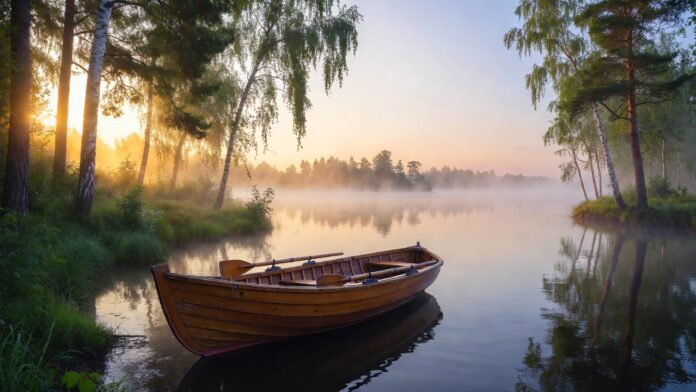


There is a particular kind of quiet that only water can offer. In Finland, a country stitched together by more than 180,000 lakes, that quiet has a name: veneajelu. It means a boat ride, but calling it just that would be like calling a sauna a hot room. Veneajelu is an experience woven deep into Finnish identity, something locals carry from childhood into old age without ever growing tired of it.
What is Veneajelu and Why It Matters in Finnish Culture
Veneajelu translates literally to ‘boat ride,’ but its cultural weight goes far beyond leisure. For centuries, Finnish communities relied on boats for fishing, transport, and trade across a landscape where roads were often nonexistent. Over time, the boat became a symbol of freedom, self-reliance, and connection to nature.
In Finnish culture, lakes are not just scenery. They are gathering places, spiritual anchors, and markers of the seasons. A summer without at least one veneajelu is, for many Finns, an incomplete summer. The tradition carries stories of grandparents teaching grandchildren to row, of families drifting in silence after a late sauna, of fishermen who measured their mornings by the rhythm of oars.
Boats of Veneajelu: From Traditional Rowboats to Modern Vessels
The classic Finnish rowboat, known as a soutuvene, remains the most iconic vessel tied to this tradition. Built from pine or birch, these wooden boats are shaped for stability on calm inland lakes rather than open seas. Their flat-bottomed design allows easy launching from any shore, and their quiet movement lets passengers observe wildlife without disturbance.
Tourist operators tend to offer a broader fleet, including motorboats and kayaks, but locals often prefer the rowboat for genuine lake activities in Finland. The unhurried pace is part of the point. Modern aluminium versions have replaced wood in many households, though purists still maintain old timber boats with a care that borders on devotion.
Top Finnish Lakes and Coastal Spots for an Authentic Veneajelu Experience
Lake Saimaa in the Lakeland region is the most celebrated destination for traditional rowing boats in Finland. Covering over 4,400 square kilometres, it offers routes ranging from short afternoon drifts to multi-day island-hopping journeys. The light in July barely fades past midnight, which gives evenings on the water a strange, luminous quality unlike anywhere else in Europe.
Lake Paijanne and Lake Pielinen also draw those seeking Finnish lake culture away from crowds. Smaller lakes in the Tampere and Kuopio regions offer hidden coves and unmarked routes that most maps ignore entirely. Visiting in early September means fewer tourists, cooler air, and birch trees just beginning to turn gold along the waterline.
Cultural Experiences on a Veneajelu Trip
A proper veneajelu often involves food. Smoked fish, especially vendace or perch, is a common companion on the water. Some families pack a small campfire kit and pull onto an island midway through the trip to cook. Rye bread, hard cheese, and cloudberry jam round out a meal that has changed very little across generations.
Midsummer, known as Juhannus, brings the Finnish boating experience to a peak. Bonfires burn at lakeshores, and boat traffic increases as families travel between cabins. Folk songs, simple card games, and the national tradition of leaping into the lake from the boat remain customs that younger Finns show no signs of abandoning.
How Tourists Can Join in on the Veneajelu Experience
Guided Scandinavian water traditions tours are available through operators in Helsinki, Tampere, and Savonlinna. These typically include equipment, safety briefings, and a local guide who explains the history of specific routes. Self-rental is equally popular and costs less. Most lake resorts and holiday cottages offer basic rowboats as standard amenities.
Local etiquette matters. Finns tend to value silence on the water and rarely expect conversation beyond a nod or a brief greeting. Wearing a life jacket is compulsory for children and strongly advised for all. Families traveling internationally with kids will find veneajelu one of the most rewarding activities to share with younger ones. Pairing a lake ride with a lakeside sauna session and a visit to a local fish market creates the kind of Finnish summer traditions that stay with visitors for years.
How Modernization is Shaping the Future of Veneajelu
Electric motorboats have begun appearing on Finnish lakes, offering a quieter, cleaner alternative to petrol engines. Several rental companies now run entirely eco-friendly fleets, and the Finnish government has introduced lake conservation programmes that encourage low-impact boating. Travellers who already gravitate toward eco-luxury travel experiences will find that solar-charged electric vessels suit this tradition particularly well, given Finland’s near-endless summer daylight.
Tourism has brought both attention and pressure to the tradition. Increased visitor numbers on popular lakes require better infrastructure and more considered management. Organisations working in lakeside culture in Finland now balance access for newcomers with the preservation of the unhurried rhythms that define veneajelu at its core. The tradition is adaptable, but it thrives only when the water stays clean, and the silence stays intact.
Conclusion
Finland’s relationship with water is not something you fully understand until you are out on it. Veneajelu is the simplest possible entry point into that relationship. A wooden boat, a pair of oars, a lake stretching further than you can see. That combination has held meaning for Finnish people for centuries, and there is little reason to think it will stop now.
If you ever find yourself in Finland between May and September, get on a boat. You do not need a plan or a guide. Find a lake, rent a soutuvene, and row until the shoreline disappears behind you. Whatever you are looking for, the water has a way of providing it.