A small suitcase looks like the simplest purchase in the world. It’s a box with wheels. Then you try to use one, and the problems show up: a handle that wobbles, a zipper that fights you, a bag that’s somehow too big for the overhead bin or too small to fit a long weekend’s clothes.
The right small suitcase makes travel easier. The wrong one makes every airport feel longer. Here’s what to look at before you buy.
Why Go Small In The First Place
Packing light has real advantages. You skip the baggage claim, avoid checked bag fees and can move through airports, trains and busy streets without dragging half your house behind you. You’re also less likely to lose your luggage, since it never leaves your sight.
A smaller bag forces you to pack with intention.Most people bring far more than they use, and a size limit is a surprisingly good editor. You end up with a bag full of things you wear, and nothing you don’t.
Know What “Small” Actually Means
This is where many people go wrong. “Small” and “carry-on” are not always the same thing, and airlines don’t agree on a single size.
As a rough guide, many carry-on limits are around 22 by 14 by 9 inches, or about 55 by 35 by 23 centimeters, and that usually includes the wheels and handles. Some budget airlines are stricter, and some international carriers add a weight limit as well.
Before you buy, check the rules of the airlines you fly most.Measure the bag including everything that sticks out, not just the main shell.If you travel on several different carriers, pick a size that fits the tightest of them. It’s much easier than hoping nobody measures at the gate.
Hard Shell Or Soft Shell
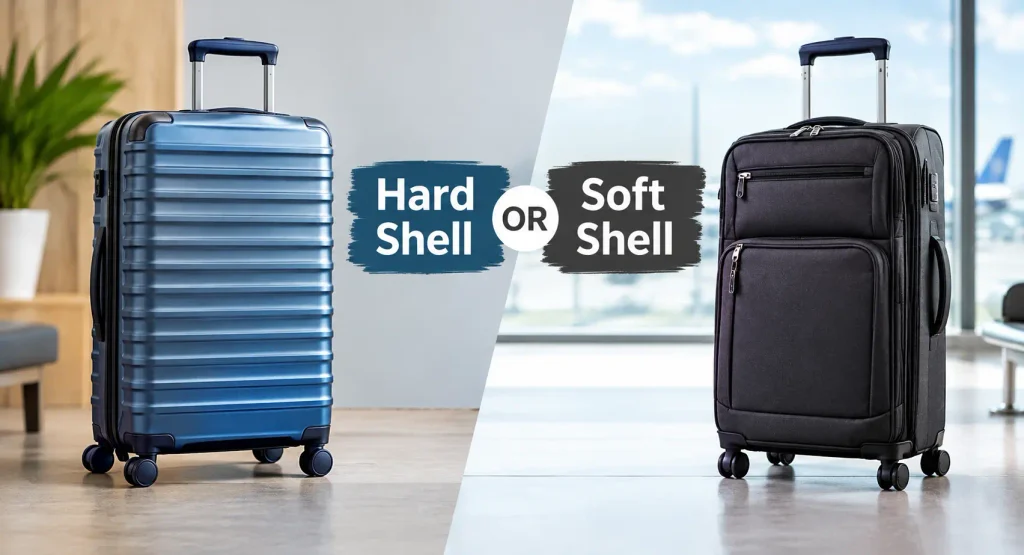
This is the first big decision, and neither wins outright.
Hard shell cases are made from polycarbonate or similar materials.They protect fragile items well, resist rain and look clean and modern. The downside is that they don’t give, so you can’t squeeze in an extra jacket, and scuffs and scratches show up over time.
Soft shell cases, usually made from nylon or polyester, are lighter and more flexible.They often have external pockets for quick access to a laptop, passport or charger, and they squeeze into tight overhead spaces more easily. They can stain, and cheaper fabric may wear out sooner.
If you pack fragile things or like a sleek look, go hard. If you want flexibility and extra pockets, go soft.
Wheels And Handles: Where Cheap Bags Fail

If you want to know whether a suitcase is well made, look at the wheels and the handle. These are the parts that take the most abuse.
Spinner wheels, the four-wheel kind, glide in every direction and take the weight off your arm, which is great in airports and on smooth floors. Two-wheel bags are less convenient on flat surfaces but tend to cope better with cobblestones, curbs and rough ground, and their wheels are less exposed to damage.
For the handle, extend it fully and give it a shake. It should feel solid, with little wobble, and it should lock firmly at more than one height. A telescoping handle that rattles in the shop will be worse after a year of use.
Check The Inside
A good interior makes packing much easier.Look for compression straps, which hold clothes in place and stop them from shifting. A zippered divider helps separate clean items from worn ones, and a couple of mesh pockets make it easy to keep small things organized.
Think about how the bag opens too. A clamshell design opens flat like a book, which makes it simple to see everything, but it needs space to open.A top-loading style is more compact and easier to use in a cramped hotel room.
Also think about weight. A bag that’s heavy when empty leaves you less capacity before you hit the airline’s limit. Lighter is almost always better, as long as it doesn’t feel flimsy.
Features That Are Genuinely Useful
A few extras are worth paying for.
TSA-approved locks let security open and relock your bag without cutting it.Quiet smooth zippers are a big deal because the zipper is the part that tends to break first. Look for large, sturdy teeth.A built-in laptop sleeve is handy if you travel for work, and a removable or expandable section adds extra room for the trip home when you’ve bought a few souvenirs.
On the other hand, don’t pay extra for gimmicks like built-in scales or fancy charging ports unless you’ll use them. They add weight and one more thing that can break.
What To Spend
Small suitcases range from very cheap to very expensive. You don’t need to buy the most expensive one, but the lowest price often costs more in the end.
Budget bags are fine for occasional trips, but they can wear out within a year or two if used often.A mid-range option from a reputable luggage brand usually offers the best balance of durability, weight and warranty. Premium bags can last for a decade or more and often come with repair services, which makes sense if you travel frequently.
Always check the warranty. A company that stands behind its wheels and zippers is telling you something about how it’s made.
How To Pack A Small Suitcase Well
Even the best bag can’t help if it’s badly packed.
Roll soft clothes like tees and underwear, and fold structured items like shirts and trousers.Place heavier things, such as shoes, near the wheels so the bag stays balanced and doesn’t tip. Use packing cubes to group items and compress them, and tuck small things like socks into shoes so no space goes to waste.
Choose a small palette of colors so everything mixes together, and bring fewer outfits than you think you need. You can always wash something or buy what you’ve missed. Keep liquids in a clear bag near the top for security, and leave a little room at the end of the trip.
Looking After It
A suitcase lasts longer with a bit of care.Wipe it down after trips, especially the wheels. Don’t overstuff it to the point where the zippers strain.Store it empty and, if possible, with a cloth over the top to keep dust out. Small habits like these add years to its life.
Final Thoughts
The best small suitcase isn’t the fanciest or the most talked about. It’s the one that fits your airline’s rules, rolls smoothly, opens easily and holds up after the tenth trip as well as the first.
Measure before you buy, check the wheels and handle, and choose a size and style that match how you actually travel. Do that, and your suitcase will be something you hardly notice, which is exactly what good luggage should be.