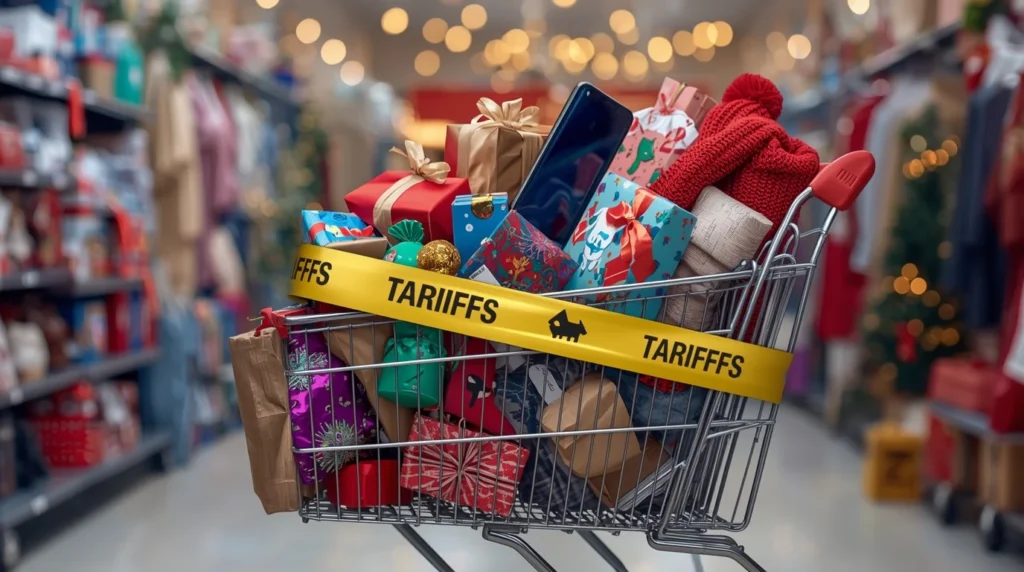
American holiday shoppers are facing an unexpected challenge this season: escalating tariffs on imported goods that could add an average of $132 to each person’s holiday spending. With the 2025 holiday season just weeks away, import taxes on products from China and other countries are driving up prices across key gift categories, from gaming consoles to winter clothing. Economic analyses suggest these tariffs could create a collective $28.6 billion burden on consumers, hitting families at a time when inflation has already climbed to 3.0% as of September 2025. The U.S. tariff rate now stands at its highest level since 1934, part of broader trade policy shifts aimed at protecting domestic industries. Still, the immediate consequence is higher retail prices, supply chain disruptions, and tough choices for budget-conscious shoppers trying to check items off their gift lists.
Understanding Tariffs and Their Cost Impact
Tariffs are taxes imposed on imported goods, designed to make foreign products less competitive and encourage domestic manufacturing. In 2025, these import taxes reached historic levels, particularly targeting imports from major suppliers such as China. The mechanics are straightforward but costly: when a 10% tariff is applied to a $100 wholesale item, retailers typically mark it up further, pushing the final shelf price from around $150 to $165 or more. These costs ripple through every stage from raw materials to finished products, creating friction throughout supply chains and contributing to shipping and customs delays.
The scale of impact is significant. Americans spent nearly $378 billion on imported goods during the 2024 holiday season alone, and current projections indicate that average holiday spending will reach $890 per person in 2025. Yet 85% of shoppers anticipate higher costs specifically due to tariffs, according to recent surveys. The timing compounds the challenge, as these price increases coincide with persistent inflation that’s already stretching household budgets.
What It Means for Your Holiday Shopping
For 2025 holiday shoppers, tariffs translate directly into tangible price increases across the most popular gift categories. Electronics bear the heaviest burden. Gaming consoles, such as Xbox and PlayStation, have already seen price hikes from manufacturers like Microsoft and Sony, with potential increases adding up to $186 per shopper in this category alone. Toys face similar pressures, with some items seeing price jumps of up to 35%.
Apparel and accessories represent another vulnerable area. Clothing prices could rise by 34%, turning that $80 pair of jeans into a $90-$96 purchase. Combined with electronics, these categories account for roughly 60% of the consumer burden from tariffs. Home goods and accessories round out the affected categories, with an estimated $82 in additional costs for clothing purchases alone.
The consequences extend beyond just higher price tags. Retail inventory shortages may emerge as businesses struggle with supply chain disruption caused by changing trade policies. Some retailers are responding by shifting sourcing to countries with lower tariff rates or ordering inventory earlier to lock in current prices, but these strategies have limits. Consumers may find reduced variety on store shelves or discover that their preferred items are simply unavailable, forcing them to trade down to less expensive alternatives.
Expert Perspectives on Consumer Impact
Economic analysts emphasise that shoppers ultimately bear the majority of tariff costs. Research indicates consumers absorb approximately 55% of these import taxes, with businesses and foreign exporters sharing the remainder. “For most Americans, spending an extra $132 at the holidays is significant,” explains Matt Schulz from LendingTree. “It could prompt people to cut back on gift-giving this year or lead to them taking on extra debt.”
Harvard Business School’s Pricing Lab has documented an average 5% price increase across thousands of consumer goods, underscoring the broad impact of these tariffs on everyday purchases. The effect isn’t limited to luxury items; essential and popular gifts across price points face upward pressure, making budget planning more challenging for families at all income levels.
Strategies to Minimise Tariff Impact
Despite these challenges, shoppers have several options to mitigate the effects of tariffs on their holiday budgets:
Shop earlier rather than later: Purchasing gifts now can lock in current prices before additional tariff-related increases take effect. Early holiday shopping also helps avoid potential inventory shortages closer to the December holiday season.
Use price tracking technology: Apps like Honey and CamelCamelCamel monitor price fluctuations and alert shoppers to genuine deals, helping distinguish between legitimate discounts and tariff-inflated “sales.”
Consider U.S.-made alternatives: Products manufactured domestically avoid import taxes entirely, potentially offering better value despite sometimes higher base prices.
Maximise discount and loyalty programs: Retailer rewards programs, credit card cash-back offers, and promotional discounts become more valuable when base prices are elevated.
Adjust gift-giving approaches: Some families are shifting toward experiential gifts, such as concert tickets, restaurant outings, or activity passes, that sidestep imported goods entirely while creating memorable experiences.
What Retailers Are Doing
Businesses face their own difficult choices in responding to tariffs. Some are absorbing portions of the increased costs to remain competitive, although this approach has clear limits, given the thin retail margins. Others are diversifying their supply chains, shifting sourcing from high-tariff countries to alternatives, though this process takes time and involves its own costs.
Early inventory ordering has become a common strategy, with retailers attempting to stockpile goods before additional tariff increases or policy changes take effect. However, this approach carries risks if consumer demand doesn’t materialise or if stored inventory becomes outdated.
Looking Ahead to Late 2025
Several factors warrant monitoring as the holiday season progresses. U.S. trade policy remains fluid, with potential for additional tariff rate adjustments or negotiations that could either ease or intensify current pressures. Inflation rates, currently hovering between 2.9% and 3.0%, will interact with tariff effects to shape overall consumer spending trends.
Shipping and customs delays represent another concern, particularly as holiday shipping volumes peak. Any bottlenecks could exacerbate retail inventory shortages, forcing last-minute shoppers to settle for whatever options remain available, regardless of price.
Integrating Tariffs Into Financial Planning
Thoughtful financial planning for the 2025 holidays means acknowledging these new realities early. Budget for 10-35% price increases in vulnerable categories, such as apparel and home goods. Consider spreading purchases over several months rather than concentrating spending in November and December.
Prioritise significant gifts and consider whether experiential alternatives satisfy recipients while avoiding tariff-inflated product prices entirely. Most importantly, avoid accumulating holiday debt to compensate for higher prices; the long-term cost of interest charges compounds the already elevated expense of tariff-affected purchases.
The 2025 holiday season presents unusual challenges, but informed shoppers who plan can navigate these pressures while still creating meaningful celebrations for family and friends.